

Graffiti and street art have long been considered rebellious forms of expression that are often dominated by male artists. However, female street artists have made considerable progress in this traditionally male-dominated field in recent years.
Much like the rise of female porn stars and feminist pornography (Porno für Frauen) in Germany, who have carved out their own space and reshaped the adult entertainment industry.
They bring unique perspectives, styles and messages that are reshaping the graffiti and street art landscape.
This blog post is about how female street artists are changing the graffiti scene, breaking stereotypes and making a name for themselves in the art world.
The history of women in graffiti
The history of graffiti dates back to ancient times, but the modern graffiti movement began in the late 20th century. At that time, the graffiti scene was predominantly male, and only a few women were able to break through the barriers.
One of the early pioneers was Lady Pink, who began painting on the streets of New York City in the late 1970s.
Despite great challenges, Lady Pink established herself as a respected artist in the graffiti community and paved the way for future female artists.
Challenges
Women in the graffiti world have faced numerous obstacles in the past, including gender discrimination, safety concerns and lack of recognition.
The male-dominated culture often made it difficult for female artists to gain acceptance and respect. However, many women persevered, driven by their passion for art and their determination to express themselves.
Development over the years
Over the years, the presence of women in graffiti has increased. In the 1990s and early 2000s, the number of female artists entering the scene increased.
These women brought new perspectives and styles and gradually gained recognition and respect in the graffiti community.
Today, female street artists are not only accepted but also celebrated for their contribution to the art form.
Breaking stereotypes: The unique perspectives of female street artists
Female street artists bring a diverse range of themes and styles to graffiti. While male artists often focus on bold, aggressive styles and themes, female artists tend to explore a broader range of topics.
This can include themes such as empowerment, femininity, social justice and personal experiences.
Unique messages and works of art
The unique messages of female street artists are a breath of fresh air in the graffiti world.
Artists like Miss Van, known for her sensual and whimsical characters, and Faith47, who deals with issues such as social justice and human rights, exemplify the depth and diversity of female graffiti art.
These artists challenge traditional notions of graffiti and expand the possibilities of what street art can represent.
Effects on the graffiti community
The introduction of these new perspectives has had a profound impact on the wider graffiti community. Women artists have not only diversified the themes and styles of street art, but have also inspired other women to participate.
This has led to a more inclusive and vibrant graffiti scene where artists of all genders can express themselves freely.
Remarkable female street artists
Lady Pink

Lady Pink, born Sandra Fabara, is often referred to as the “First Lady of Graffiti”. She began her career in the late 1970s in New York City, a time when graffiti was predominantly a male preserve.
Her work is characterized by bold colors and strong feminist themes. Lady Pink’s perseverance and talent helped her gain respect in the graffiti community and made her a trailblazer for future generations of female street artists.
Swoon

Caledonia Curry, known by her artist name Swoon, is a contemporary street artist known for her intricate silhouettes and life-size installations.
Swoon’s work often addresses social and environmental issues and combines art with activism. Her unique style and commitment to meaningful issues have earned her international recognition.
Shamsia Hassani
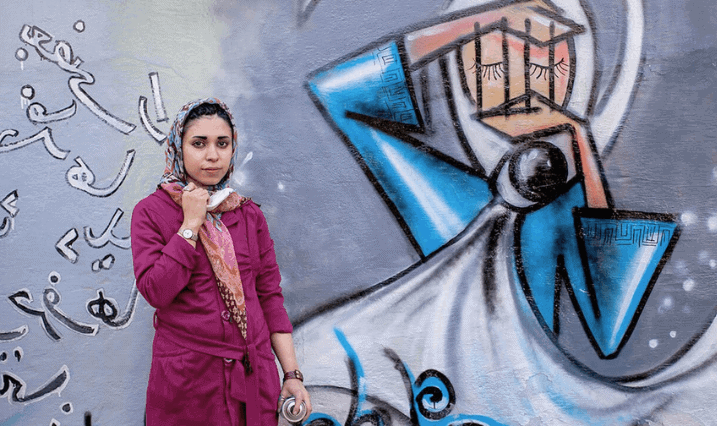
Shamsia Hassani is Afghanistan’s first female street artist, known for her striking murals depicting women in traditional Afghan dress.
Her work aims to change the perception of women in her country and empower them through art.
Despite significant challenges, including social resistance and security risks, Hassani continues to create impactful art that resonates globally.
The role of social media and online platforms
Social media has played a crucial role in empowering female street artists. Platforms such as Instagram, Pinterest and TikTok allow artists to share their work with a global audience, bypassing traditional gatekeepers.
This has given female artists unprecedented visibility and recognition.
Present and disseminate work
Social media allows street artists to showcase their work, connect with other artists and build a following.
The visual nature of platforms such as Instagram lends itself particularly well to street art and allows artists to reach audiences far beyond their local communities.
Artists such as Alice Pasquini and MadC have used social media to gain international recognition for their work.
Online communities and cooperations
Online communities and collaborations have also been instrumental in supporting female street artists. Groups and forums dedicated to street art offer artists the opportunity to share ideas, give feedback and collaborate on projects.
These communities foster a sense of solidarity and support and help female artists overcome the challenges of the graffiti world.
Female street performers and impact on the community
Street artists are often involved in the local community through their work. Many participate in community projects, creating murals that reflect the experiences and aspirations of the people who live there.
These projects can transform public spaces and turn them into vibrant, meaningful works of art.
Examples of joint projects
One notable example is the “Herakut” duo Jasmin Siddiqui (Hera) and Falk Lehmann (Akut), who have created murals around the world that address social issues and promote positive change.
Their collaborative work often involves community members, making the art a collective effort.
Role in social and political movements
Street art has always been a powerful tool of social and political expression, and women street artists are at the forefront of this movement.
Artists such as Tatyana Fazlalizadeh, known for her campaign “Stop Telling Women to Smile”, use their art to address issues such as gender-based harassment and inequality.
These works not only raise awareness, but also inspire action and change.
Challenges and barriers that female street artists still face
Despite the progress made, female street artists still face major challenges. Gender bias is still prevalent, as female artists often have to work harder to gain the same recognition as their male counterparts.
Safety is another major concern, as street art can involve working in potentially dangerous places.
Stories about resilience
However, many female artists show remarkable resilience in the face of these obstacles. For example, Spanish artist Btoy (Andrea Michaelsson) has continued to create and exhibit her work despite gender discrimination.
Her success story is a testament to the perseverance and determination of female street artists.
Evolving inclusivity
The graffiti community is becoming more inclusive and many male artists and organizations are actively supporting female artists. Initiatives such as “FemGraff”, a global movement to promote female graffiti artists, are helping to create a more equitable environment in the world of street art.
The future of female street art
The future looks bright for female street artists. With the continued rise of social media and online platforms, women artists will have more opportunities to showcase their work and connect with audiences around the world.
Furthermore, the increasing acceptance and appreciation of diverse voices in the art world suggests that female street artists will continue to gain recognition and influence.
Increased representation
We can expect to see more female street artists represented in galleries, exhibitions and public art projects.
As the art world becomes more inclusive, the contributions of women artists will be increasingly recognized and celebrated.
Importance of support
Continued support from the art community and the public is vital to the promotion of female street artists.
By attending exhibitions, sharing their work on social media and participating in community projects, we can help ensure that female street artists get the recognition and opportunities they deserve.
Conclusion
In summary, it can be said that female street artists are fundamentally changing the face of graffiti. Through their unique perspectives, styles and messages, they are breaking stereotypes and enriching the graffiti scene.
Despite ongoing challenges, the resilience and creativity of female street artists continues to inspire and transform communities around the world.
By supporting and celebrating these artists, we can contribute to a more inclusive and vibrant street art culture.